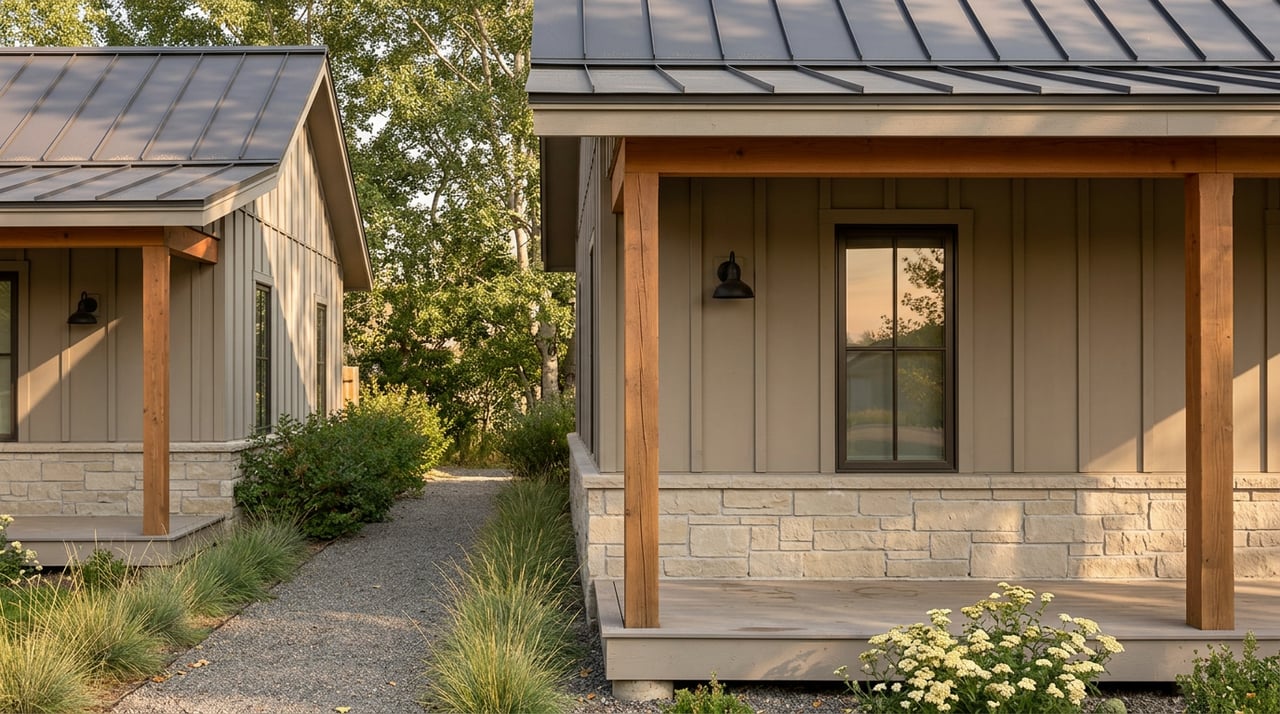
Mary Hartman's pasture sits along the western edge of a 2.2-acre property on West Main Street that has hosted eight log cabins, two cottages, and five lodge rooms since 1949. For six years, she's watched vehicle headlights swing across her fence line at odd hours and found trash from cabin guests scattered in with her livestock. So when the property's owners, Robin and Randy King, brought a plan before Buena Vista's Planning and Zoning Commission to convert the whole operation into 17 permanently owned homes, Hartman didn't object to the housing. She asked for a fence.
The commission approved the project unanimously on July 22, 2026. Hartman's fence request ran into a rule she probably didn't expect: the parcel sits in a floodway, and solid fencing there is restricted because it has to let floodwater and debris pass through. That's a small detail buried in a public hearing, but it says something bigger about what actually gates new housing in this town, and it's not the thing most buyers assume.
What Got Approved, and What Didn't Need To
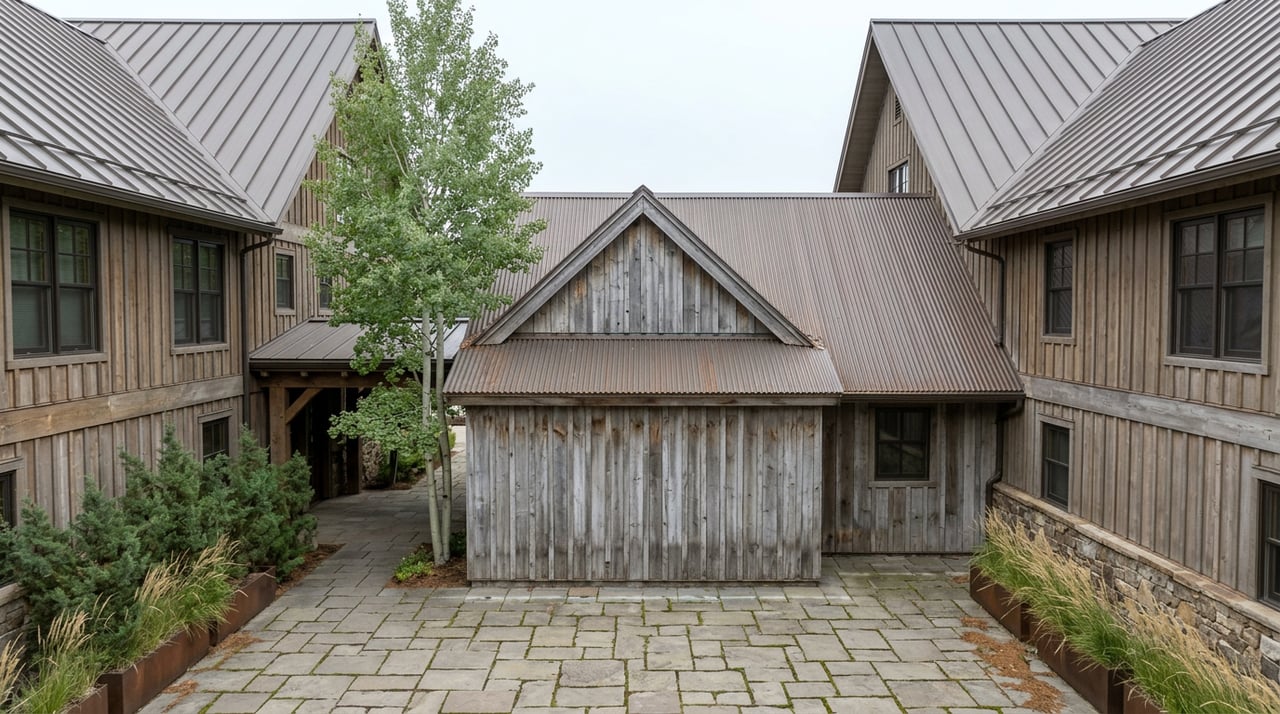
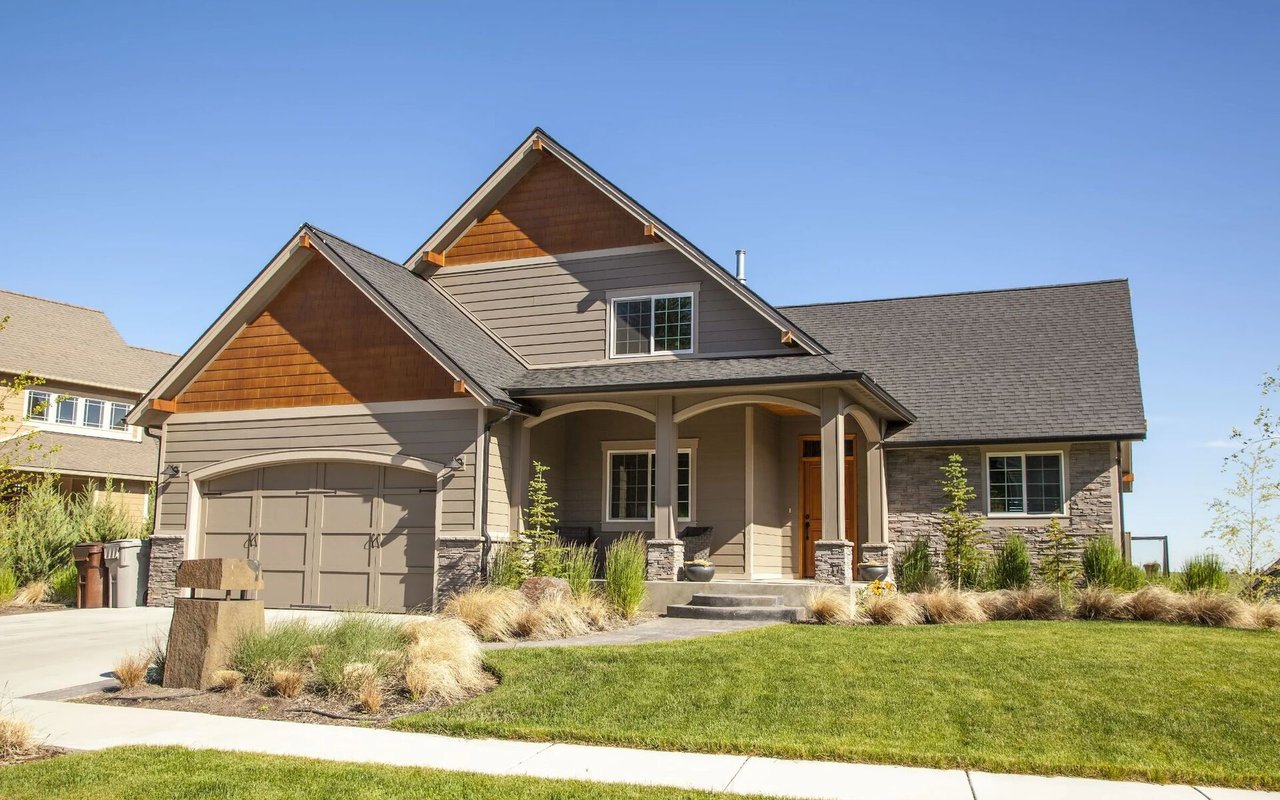
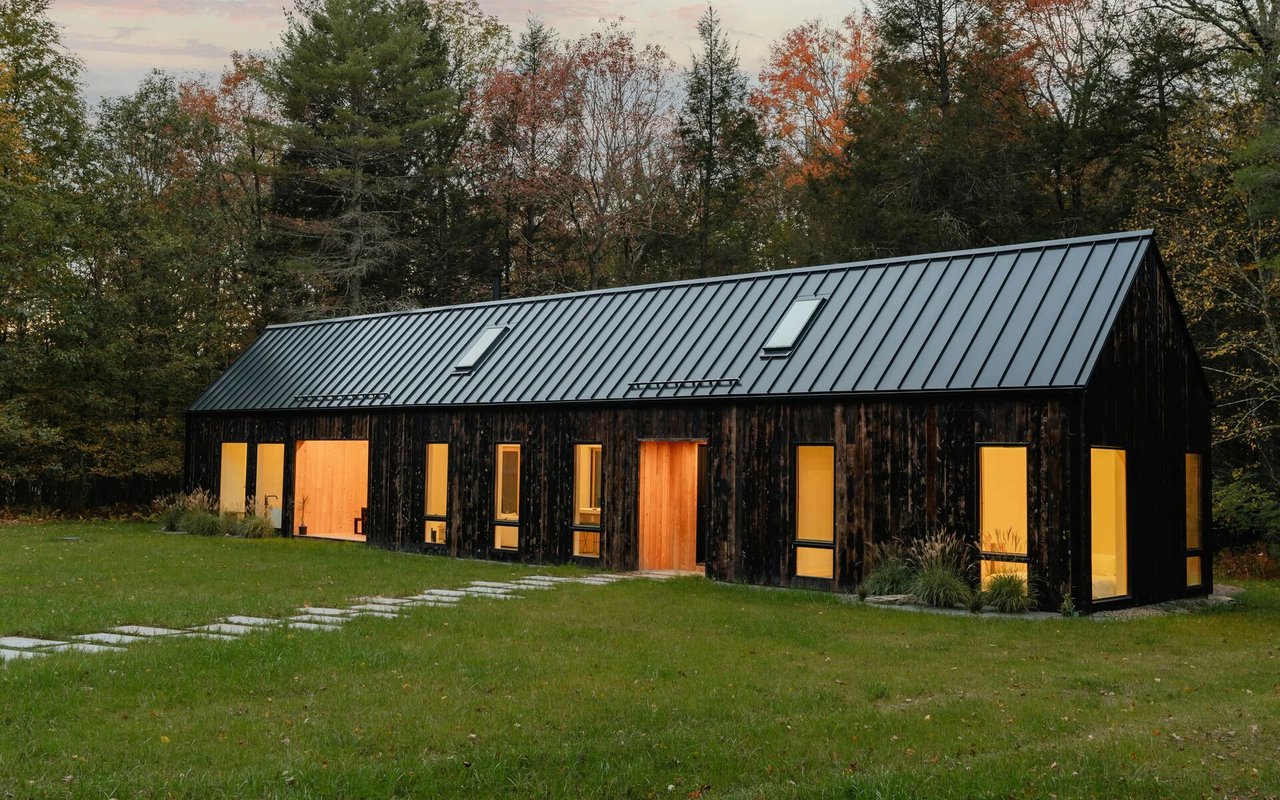
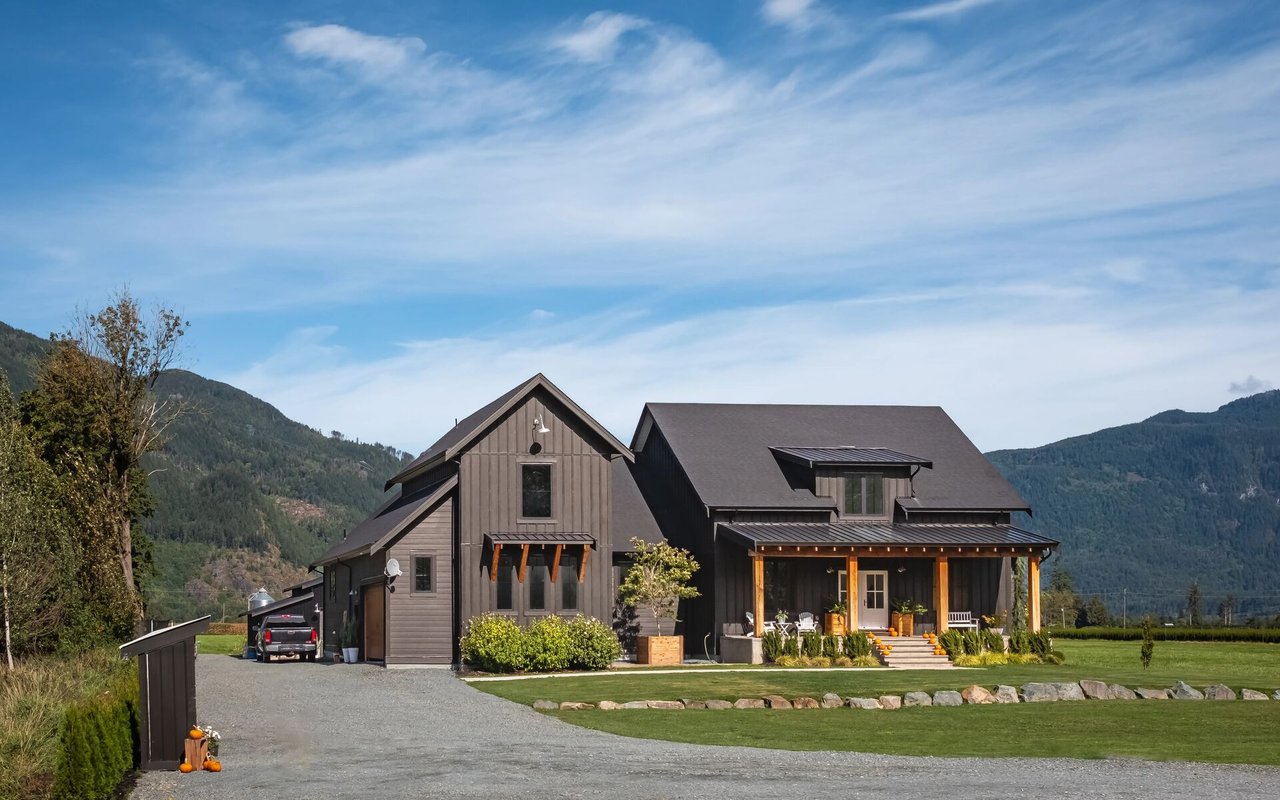
The project is called Rustic Haven, and it's a co-housing conversion of the former Vista Court Cabins and Lodge. The plan preserves 11 existing cabin units, adds six newly built detached homes, and turns the old lodge into a shared common house with gathering space. The Kings plan to sell the units as individually deeded condominiums, with residents jointly owning the common house, grounds, and shared amenities through an HOA.
Here's the part worth sitting with: the July hearing wasn't about whether co-housing belonged on that parcel. The commission settled that question back in May 2025, when it approved a special-use permit for the same site under its old name. The July hearing was narrower and more technical, focused entirely on whether the detailed site plan met town requirements for infrastructure, water, parking, setbacks, and floodplain rules. Planning Director Marika Kopp confirmed staff found the proposal met all four criteria for major site-plan approval.
In other words, the use was never the obstacle. The plumbing was.
The Water Math That Actually Decided the Project
Before this plan could move forward, the Buena Vista Water Department ran a field audit on the property's existing water line. The finding: the line would carry the new development, but only if water use stayed within specific limits baked into the approved plans. That constraint reshaped the whole design.
To get there, the Kings reduced irrigated turf on the property, installed lower-use plumbing fixtures, and are removing four and a half bathrooms from the lodge as it converts to shared common space. Combined, those changes are expected to cut overall water demand on the site by an estimated 35 percent. The six new residences require 4.8 single-family equivalents of water allocation, and the town's staff report found 54.7 equivalents available in the applicable allocation category, so there was room. But the room came from a lodging property already using less water than a comparable set of full-time residential fixtures would, and the project had to earn its allocation by cutting rather than simply asking.
The commitment doesn't end at approval. A restriction will be recorded directly on the condominium plat prohibiting owners from adding fixtures like dishwashers, washing machines, or outdoor hose connections without separate town approval and additional water dedication. The irrigated common areas have to stay under shared HOA ownership permanently. No individual owner can carve out a private patch of that lawn later.
If you're evaluating a similar shared-land or co-housing product anywhere in Buena Vista, this is the friction that won't show up in a listing photo. The unit you're buying may come with a plumbing ceiling written into the deed.
What This Means If You're Comparing What Your Money Buys
Conventional single-family homes in Buena Vista are pricing in a fairly tight band right now. As of August 2026, Zillow's home value estimate for the town sits at $628,155, down 3.1 percent over the past year. Homes.com puts the town's median home price at $649,900. Redfin recorded a median sale price of $660,000 for homes that closed in July 2026. Those numbers move around depending on the source and the month, but they all describe the same conventional product: a house on its own lot, with its own water fixtures, its own yard, no shared plumbing restrictions.
Rustic Haven is a different product by design. Randy King has said directly that the smaller homes and shared land are meant to offer a less expensive alternative to buying a conventional Buena Vista house and lot. The math behind that claim isn't abstract. Smaller footprints, shared common space, and a water allocation that had to be earned through cuts rather than simply purchased all point toward a lower price ceiling than a standalone home on its own utility connection.
What makes this worth a second look for buyers is what it isn't. These homes will not be deed restricted. There's no income, employment, or asset qualification to buy in, and owners keep the full benefit of future appreciation, the same as any other home in town. That's a meaningfully different category from income-restricted affordable housing, which caps what an owner can eventually sell for. Rustic Haven behaves like a market-rate product with a smaller entry price, not a subsidized one with a ceiling on the exit.
Former Buena Vista planner Mark Doering supported the project publicly, arguing it advances the town's comprehensive plan goals around housing and infill while replacing a transient lodging operation with more stable, long-term residential ownership. That's the planning department's read. For a buyer, the practical read is narrower: you're trading lot size and fixture flexibility for a lower buy-in and a smaller water footprint, and that trade is now enforceable on the plat, not just implied by the marketing.
Questions Worth Asking Before You Assume "Approved" Means "Unrestricted"
If you're looking at Rustic Haven specifically, or any similar shared-land conversion that comes through Buena Vista's pipeline next, a few questions matter more than the listing description will:
- What water allocation category does the unit fall under, and how much of the town's available allocation in that category is already spoken for by this project versus what's left for future phases nearby.
- What's explicitly restricted on the condo plat. Ask whether a dishwasher, washer, or outdoor hose bib requires town approval and additional water dedication before you plan a renovation.
- Who owns the common areas, and can that ownership ever shift to an individual owner, or is it permanently locked to the HOA.
- Is any part of the parcel in a floodway, and if so, what does that mean for fencing, additions, or future construction on your unit or an adjoining one.
- What's the HOA's maintenance obligation for shared irrigation, grounds, and the common house, and how is that cost split among owners.
These aren't hypothetical concerns. Every one of them came up in the actual public record for this specific project, and every one of them will apply to whatever comes next in this category.
FAQ
Is Rustic Haven income-restricted affordable housing? No. The homes will not be deed restricted, so there are no income, employment, or asset requirements to purchase, and owners keep full appreciation rights, unlike typical deed-restricted affordable units.
Can I add a dishwasher or extra bathroom fixture later if I buy one of these units? Not without town approval and additional water dedication. That restriction is recorded directly on the condominium plat because the project's approved water allocation assumed a specific, reduced level of fixture use across the property.
Does converting a short-term lodging property into permanent homes affect nearby home values? The commission's own record frames it as replacing a transient lodging operation with consistent residential ownership, which is generally viewed as a stabilizing shift for a residential area, though actual resale comparables for this specific product don't exist yet since the homes haven't closed.
If you're weighing a shared-land product like this against a conventional lot, or trying to figure out what a specific water allocation or floodplain note in a title report actually means for your plans, that's exactly the kind of contract detail worth walking through before you write an offer. Mary Kale has spent two decades in Chaffee County real estate, with a paralegal background in real estate law that's built for exactly this kind of fine print. Contact Mary Kale to talk through what a specific listing's restrictions mean for you.