Buying land near Nathrop can feel exciting right up until the big questions start piling up. Can you actually get to the property year-round? Will a well work? Is the site affected by slope, floodplain, or wildfire rules? If you want to make a smart offer, you need more than a pretty view. You need a clear due-diligence plan. Let’s dive in.
Why land due diligence matters near Nathrop
Land in the Nathrop area comes with a different set of questions than buying an existing home. In Chaffee County, land-use review focuses heavily on access, water, wastewater, terrain, and hazard screening. The county also notes that much of the area is publicly managed land, so private parcels can come with unique constraints tied to location and access.
According to Chaffee County Planning and Zoning, the updated land use code took effect on January 1, 2025, and the county GIS can help you review zoning, floodplains, steep slopes, wildfire risk, and wildlife habitat. That means your due diligence should start before you remove contingencies, not after.
Start with legal access
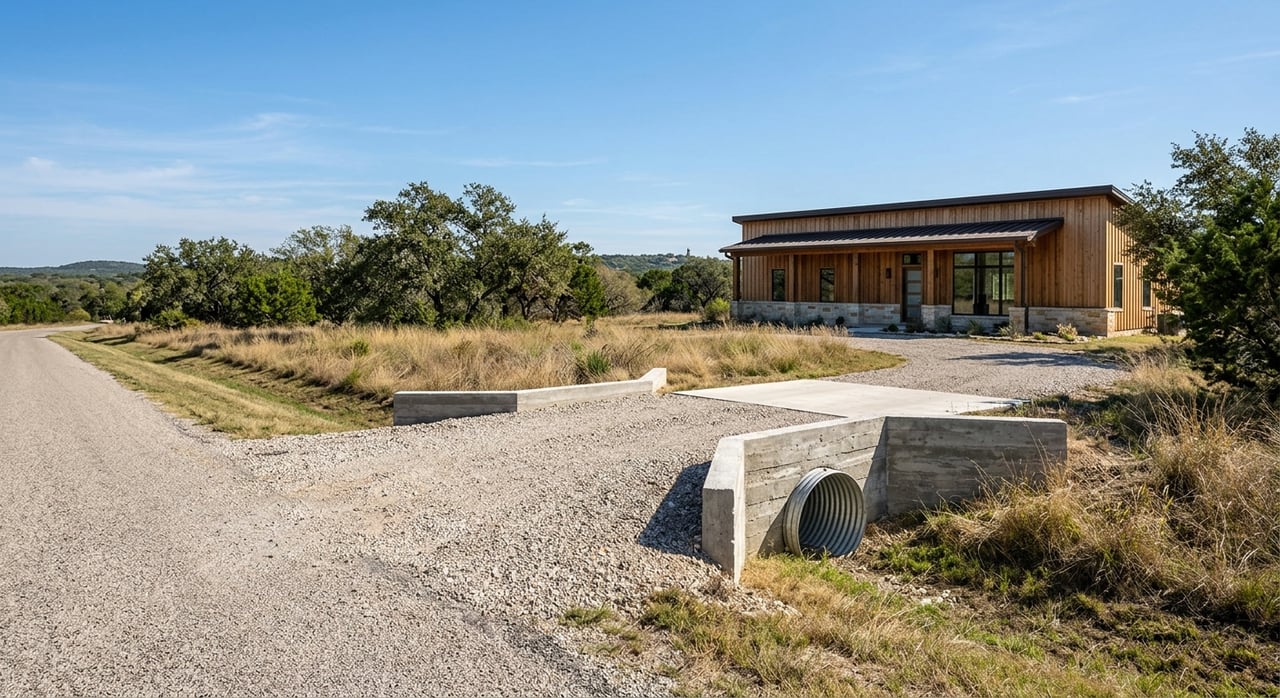
One of the first questions to ask is simple: how do you legally and practically reach the parcel? A lot may look accessible on a map, but that does not always mean it has buildable, permitted, year-round access.
Chaffee County’s current code requires access standards, driveway and right-of-way approvals, and coordination with the correct road authority. If the parcel connects to a state highway, access is controlled by CDOT. If it involves a county road or private easement, the review path may be different.
Check who controls the access
Before you make an offer, confirm whether access comes from a county road, state highway, or private easement. Each option can affect permitting, improvement costs, and how easily you can move forward with a future build.
You should also ask whether the existing driveway is already permitted or whether a new permit will be required under the current Chaffee County land use code.
Think about winter use
In the Nathrop area, seasonal access matters. Chaffee County notes that some roads are maintained on a limited basis or only in summer, and road maintenance priorities can depend in part on seasonal use. You can review road information through Chaffee County Road & Bridge.
That is why it helps to ask practical questions early. Can you get in during winter storms? Is snow removal realistic? Would emergency vehicles be able to reach the site if needed?
WUI access can add more requirements
If the parcel is in the wildland-urban interface, access becomes even more important. The county code says parcels larger than 10 acres need an alternate access road, such as a fire trail or two-track, when applicable, and review by the fire protection district is expected when possible.
The same code also requires reflective address signs at each driveway entrance above snow-line for developed properties. These details may seem small, but they can affect cost, timing, and layout.
Water and wastewater can make or break a parcel
A parcel is not automatically buildable just because it is vacant land. In Chaffee County, legal water supply and wastewater feasibility are core pieces of the review process.
The county states that an adequate, reliable, legal physical water supply is required. It also says that if a property is within 400 feet of a central water system or sewer main, and connection is feasible, connection can be required under the county code found in this county land-use document.
Ask if a well is truly feasible
If you plan to use a well, the question is not just whether a well can be drilled. The real question is whether the parcel can legally support the water use you want.
The Colorado Division of Water Resources says every new well that diverts groundwater must have a well permit. In many areas, domestic, lawn-and-garden, or subdivision use may also require an augmentation plan approved by water court. The agency also notes that review of complete well permit applications can take up to 49 days.
For you as a buyer, that means water due diligence should happen early in the contract period.
Check if central service is nearby
Some buyers assume rural land always means well and septic. That is not always true. If central water or sewer is nearby and a connection is feasible within 400 feet, the county can require that connection.
That can affect both design and budget, so it is worth verifying before you make assumptions about development costs.
Confirm septic or OWTS feasibility
Wastewater matters just as much as water. The Colorado Department of Public Health and Environment says on-site wastewater treatment systems are governed by Regulation 43, and systems handling 2,000 gallons per day or less are permitted locally.
Chaffee County’s Building Safety Department handles OWTS inspections, and septic permits are issued only to Chaffee County licensed contractors. If the lot has design constraints, your future home placement or project scope may need to change.
Do not forget electric and telecom service
The county code also says adequate electrical utility service must be available. On some parcels, that may be straightforward. On others, off-site utility extensions may be needed, which can add cost and time.
It is also helpful to remember that Chaffee County’s emergency guide notes cell service can be unreliable in some areas. For remote work, security systems, or day-to-day convenience, that is worth factoring into your decision.
Review slope, drainage, and floodplain early
A beautiful lot can still come with site challenges. Chaffee County’s land-use review considers natural terrain, drainage, rock formations, rivers, streams, vegetation, and topsoil.
The county also treats slopes of 15 percent or greater as steep slopes that must be identified on plans. A geotechnical report is required for physical development on natural slopes steeper than 15 percent under the current code.
Use GIS before you write the offer
One of the best early screening tools is the county GIS. Through Chaffee County Planning and Zoning resources, you can review parcel-level information tied to floodplains, steep slopes, wildfire risk, and wildlife habitat.
This kind of review can help you spot issues before you spend money on deeper due diligence.
Watch for drainage ways and stream proximity
Chaffee County’s emergency-preparedness guide lists flooding, landslides, thunderstorms, winter storms, and wildfire among the local hazards. The same guide advises buyers not to build near steep slopes, drainage ways, or areas of natural erosion without first obtaining a geologic hazard analysis, as explained in the county’s emergency preparedness guide.
If a parcel sits near a drainage path, river, or stream, building placement may become more limited than it first appears.
Wildfire screening is part of planning
In unincorporated Chaffee County, wildfire review is not optional background noise. It is part of the planning framework.
The county code says all development must conform to the IWUIC, and the wildfire-hazard provisions are intended to reduce risk to homes, firefighters, and community assets such as drinking-water supply. Depending on the parcel, wildfire mitigation steps and access improvements may affect your building budget and timeline.
Ask how wildfire rules shape the site
For land near Nathrop, it is smart to ask whether the parcel is in the WUI and whether alternate access, mitigation work, or specific site-planning changes are likely. A lot may technically work, but the cost to make it work safely can vary widely.
This is one reason land buyers benefit from a process-focused approach instead of relying only on listing remarks or aerial photos.
Understand the county review process
There is rarely one office that can give you every answer on a land purchase. Chaffee County Planning and Zoning says staff work with Road & Bridge, Building Safety, and Environmental Health, and land-planning applications are reviewed under the county land use code.
The county also says you can schedule a pre-application conference through Planning and Zoning. For some parcels, that step can be very helpful before you remove contingencies.
Treat the contract period like a feasibility window
A strong land-buying strategy is to use your due-diligence period to verify the parcel from multiple angles:
- Confirm road access and maintenance expectations
- Verify whether driveway or access permits are needed
- Review zoning, floodplain, slope, and wildfire layers in GIS
- Check water supply implications and well-permit questions
- Evaluate septic or OWTS feasibility
- Identify utility availability and extension needs
- Review whether survey work or easement review is needed
That workflow lines up with how the county approaches access, water, wastewater, utilities, and site constraints.
Key questions to ask before you offer
If you want a simple checklist, start here:
- Is access legal, permitted, and usable year-round?
- Who controls the road or easement?
- Is the road county maintained, seasonally maintained, or private?
- Does the parcel need alternate access because of size or wildfire rules?
- Is there central water or sewer nearby, and could connection be required?
- If using a well, is a permit likely and could augmentation be needed?
- Can the parcel support septic under county and state rules?
- Are power and telecommunications reasonably available?
- Does the lot include floodplain, drainage ways, or steep slopes?
- Will geotechnical work or wildfire mitigation likely affect cost?
A local guide can help you stay organized
Buying land near Nathrop often means coordinating several moving parts at once. Access, water, septic, slope, and hazard review can all shape whether a parcel fits your goals, budget, and timeline.
That is where a local, detail-minded approach matters. If you are considering land in Nathrop or elsewhere in Chaffee County, Mary Kale can help you build a smart due-diligence plan, coordinate the right local conversations, and move forward with more clarity and confidence.
FAQs
What should you verify first when buying land near Nathrop?
- Start by verifying legal access, road maintenance, water options, wastewater feasibility, and major site constraints like floodplain, steep slope, and wildfire exposure.
How do you check zoning and hazards for land in Chaffee County?
- You can begin with the county GIS and Planning and Zoning resources, which show parcel-level information for zoning, floodplains, steep slopes, wildfire risk, and wildlife habitat.
Can a Nathrop land parcel always use a private well?
- No. A new well needs a permit, and in some cases an augmentation plan may also be required depending on the proposed water use and location.
What wastewater questions matter for vacant land near Nathrop?
- You should confirm whether the parcel can support an OWTS under county and state rules or whether nearby central sewer service could require connection if feasible.
Why does winter access matter when buying land near Nathrop?
- Some roads in Chaffee County are maintained on a limited basis or only in summer, so winter drivability, snow removal, and emergency access can affect how practical the parcel is for year-round use.